

소개
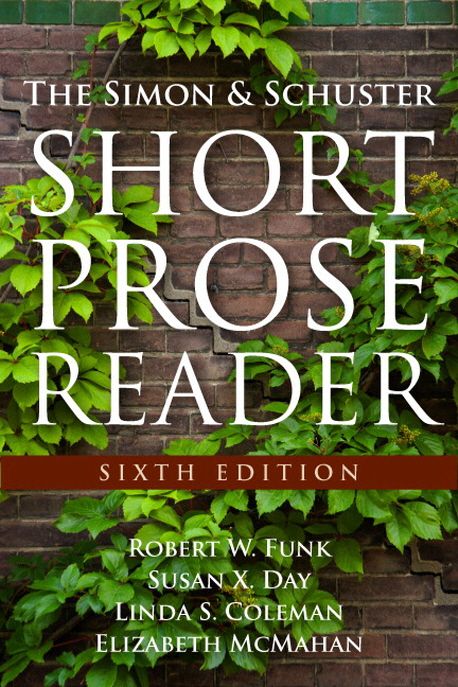
For one semester Developmental English/ Basic Writing and Freshman Composition courses. Simon and Schuster Short Prose Reader combines high-interest reading material with creative, principled writing instruction. The Simon and Schuster Short Prose Reader is process-oriented and based on interactive pedagogy; it combines creative, up-to-date writing instruction with traditional concerns for correctness, coherence, and clarity. Short, high-interest readings provide ideas for writing, suggest ways to approach a topic, and illustrate strategies for organizing and presenting information. Each essay is accompanied by questions and assignments that guide students in analyzing what they have read and in composing their own essays. Students will experience success in their writing and will become more involved in learning; teachers will find the approach convenient and easily adaptable for their own course. Simon and Schuster Short Prose Readercombines high-interest reading material with creative, principled writing instruction. Short, high-interest readings provide ideas for writing, suggest ways to approach a topic, and illustrate strategies for organizing and presenting information. Each essay is accompanied by questions and assignments that guide students in analyzing what they have read and in composing their own essays. This insightful and prolific author team have done it again! These are the authors with the know-how and capability to engage students.The Simon and Schuster Short Prose Readeris process-oriented and based on interactive pedagogy; it combines creative, up-to-date writing instruction with traditional concerns for correctness, coherence, and clarity. Short, high-interest readings provide ideas for writing, suggest ways to approach a topic, and illustrate strategies for organizing and presenting information. Each essay is accompanied by questions and assignments that guide students in analyzing what they have read and in composing their own essays. Students will experience success in their writing and will become more involved in learning; teachers will find the approach convenient and easily adaptable for their own course. This insightful and prolific author team have done it again! These are the authors with the know-how and capability to engage students.The Simon and Schuster Short Prose Readeris process-oriented and based on interactive pedagogy; it combines creative, up-to-date writing instruction with traditional concerns for correctness, coherence, and clarity. Short, high-interest readings provide ideas for writing, suggest ways to approach a topic, and illustrate strategies for organizing and presenting information. Each essay is accompanied by questions and assignments that guide students in analyzing what they have read and in composing their own essays. Students will experience success in their writing and will become more involved in learning; teachers will find the approach convenient and easily adaptable for their own course. Chapter 1: ACTIVE READING Learning to Be an Active Reader Keeping a Journal Previewing the Reading A First Reading Staying Aware of Conventions A Sample Essay:Bob Greene, "Handled with Care" Marking the Text Clarifying Meaning Making Inferences and Associations Writing to Understand and Respond Chapter 2: THE READING-WRITING CONNECTION Writing in Response to Reading Building an Essay Sample Student Essay Resources for Writers on the Internet Responding to a Reading Suggestions for Writing Chapter 3: STRATEGIES FOR CONVEYING IDEAS: NARRATION AND DESCRIPTION Images and Ideas The Point of Narration and Description The Principles of Narration and Description The Pitfalls of Narration and Description What to Look For in Narration and Description Evan Thomas, "Rain of Fire" Mike Royko, "Jackie's Debut: A Unique Day" William Recktenwald, "A Guard's First Night on the Job" (Combining Strategies) Jack Lewis, "Road Work" Kelly Berlin(student), "Domestic Abuse" Chapter 4: STRATEGIES FOR MAKING A POINT: EXAMPLE AND ILLUSTRATION Images and Ideas &nbs Chapter 1: ACTIVE READING Learning to Be an Active Reader Keeping a Journal Previewing the Reading A First Reading Staying Aware of Conventions A Sample Essay: Bob Greene, Handled with Care Marking the Text Clarifying Meaning Making Inferences and Associations Writing to Understand and Respond Chapter 2: THE READING-WRITING CONNECTION Writing in Response to Reading Building an Essay Sample Student Essay Resources for Writers on the Internet Responding to a Reading Suggestions for Writing Chapter 3: STRATEGIES FOR CONVEYING IDEAS: NARRATION AND DESCRIPTION Images and Ideas The Point of Narration and Description The Principles of Narration and Description The Pitfalls of Narration and Description What to Look For in Narration and Description Evan Thomas, Rain of Fire Mike Royko, Jackie s Debut: A Unique Day William Recktenwald, A Guard s First Night on the Job (Combining Strategies) Jack Lewis, Road Work Kelly Berlin (student), Domestic Abuse Chapter 4: STRATEGIES FOR MAKING A POINT: EXAMPLE AND ILLUSTRATION Images and Ideas The Point of Example and Illustration The Principles of Example and Illustration The Pitfalls of Example and Illustration What to Look For in Example and Illustration Elizabeth Berg, My Heroes Brent Staples, Just Walk On By : A Black Man Ponders His Power to Alter Public Space Daniel R. Meier, One Man s Kids Tim Jones, The Working Poor (Combining Strategies) David C. Lair (student), My Key Chain Chapter 5: STRATEGIES FOR CLARIFYING MEANING: DEFINITION AND EXPLANATION Images and Ideas The Point of Definition and Explanation The Principles of Definition and Explanation The Pitfalls of Definition and Explanation What to Look For in Definitions and Explanations Gloria Naylor, Mommy, What Does Nigger Mean? Isaac Asimov, What Is Intelligence, Anyway? (Combining Strategies) Wayson Choy, I m a Banana and Proud of It Lilly Gonzalez, Viva Spanglish! Kerri Mauger (student), Nothing to Be Scared Of Chapter 6: STRATEGIES FOR SORTING IDEAS: CLASSIFICATION AND DIVISION Images and Ideas The Point of Classification and Division The Principles of Classification and Division The Pitfalls of Classification and Division What to Look For in a Classification Judith Viorst, Friends, Good Friendsand Such Good Friends (Combining Strategies) Franklin Zimring, Confessions of an Ex-Smoker David Elkind, Types of Stress for Young People Juleyka Lantigua, The Latino Show Bobby Lincoln (student), Contemplating Homicide at the Mall Chapter 7: STRATEGIES FOR EXAMINING TWO SUBJECTS: COMPARISON AND CONTRAST Images and Ideas The Point of Comparison and Contrast The Principles of Comparison and Contrast The Pitfalls of Comparison and Contrast What to Look For in Comparison and Contrast Mark Twain, Two Views of the Mississippi Suzanne Britt, Neat People vs. Sloppy People (Combining Strategies) Brendan O Shaughnessy, A Whole New Ballgame Kathy Seal, The Trouble with Talent: Are We Born Smart or Do We Get Smart? Lynn Cooper (student), Watching from All Sides Chapter 8: STRATEGIES FOR EXPLAINING HOW THINGS WORK: PROCESS AND DIRECTIONS Images and Ideas The Point of Writing about Process and Dir Thematic Contents Editing Skills: Contents Preface Chapter 1: ACTIVE READING Learning to Be an Active Reader Keeping a Journal Previewing the Reading A First Reading Staying Aware of Conventions A Sample Essay:Bob Greene, "Handled with Care" Marking the Text Clarifying Meaning Making Inferences and Associations Writing to Understand and Respond Chapter 2: THE READING-WRITING CONNECTION Writing in Response to Reading Building an Essay Sample Student Essay:Tara Coburn, "Someone to Help" Resources for Writers on the Internet Responding to a Reading Russell Baker,"Learning to Write" Suggestions for Writing Chapter 3: STRATEGIES FOR CONVEYING IDEAS: NARRATION AND DESCRIPTION Images and Ideas The Point of Narration and Description The Principles of Narration and Description The Pitfalls of Narration and Description What to Look For in Narration and Description Evan Thomas, "Rain of Fire" Mike Royko, "Jackie's Debut: A Unique Day" William Recktenwald, "A Guard's First Night on the Job" (Combining Strategies) Jack Lewis, "Road Work" Kelly Berlin Thematic Contents Editing Skills: Contents Preface Chapter 1: ACTIVE READING Learning to Be an Active Reader Keeping a Journal Previewing the Reading A First Reading Staying Aware of Conventions A Sample Essay: Bob Greene, Handled with Care Marking the Text Clarifying Meaning Making Inferences and Associations Writing to Understand and Respond Chapter 2: THE READING-WRITING CONNECTION Writing in Response to Reading Building an Essay Sample Student Essay: Tara Coburn, "Someone to Help" Resources for Writers on the Internet Responding to a Reading Russell Baker, "Learning to Write" Suggestions for Writing Chapter 3: STRATEGIES FOR CONVEYING IDEAS: NARRATION AND DESCRIPTION Images and Ideas The Point of Narration and Description The Principles of Narration and Description The Pitfalls of Narration and Description What to Look For in Narration and Description Evan Thomas, Rain of Fire Mike Royko, Jackie s Debut: A Unique Day William Recktenwald, A Guard s First Night on the Job (Combining Strategies) Jack Lewis, Road Work Kelly Berlin (student), Domestic Abuse Chapter 4: STRATEGIES FOR MAKING A POINT: EXAMPLE AND ILLUSTRATION Images and Ideas The Point of Example and Illustration The Principles of Example and Illustration The Pitfalls of Example and Illustration What to Look For in Example and Illustration Elizabeth Berg, My Heroes Brent Staples, Just Walk On By : A Black Man Ponders His Power to Alter Public Space Daniel R. Meier, One Man s Kids Tim Jones, The Working Poor (Combining Strategies) David C. Lair (student), My Key Chain Chapter 5: STRATEGIES FOR CLARIFYING MEANING: DEFINITION AND EXPLANATION Images and Ideas The Point of Definition and Explanation The Principles of Definition and Explanation The Pitfalls of Definition and Explanation What to Look For in Definitions and Explanations Gloria Naylor, Mommy, What Does Nigger Mean? Isaac Asimov, What Is Intelligence, Anyway? (Combining Strategies) Wayson Choy, I m a Banana and Proud of It Lilly Gonzalez, Viva Spanglish! Kerri Mauger (student), Nothing to Be Scared Of Chapter 6: STRATEGIES FOR SORTING