

소개
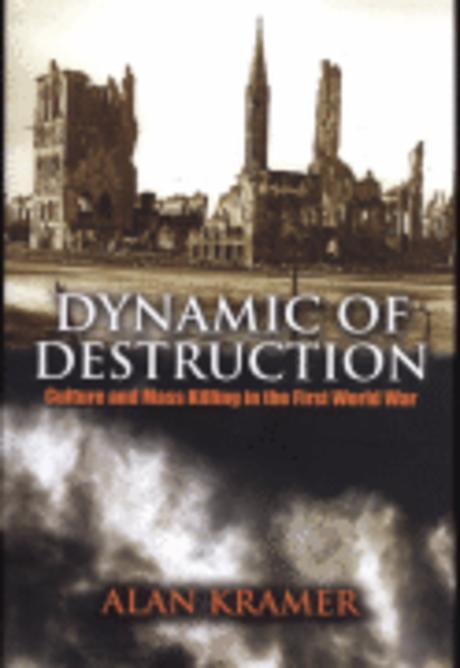
In the final week of August 1914, German occupying troops torched the medieval town of Louvain in Belgium, slaughtering hundreds of civilians and deliberately destroying the town's cultural heritage, including its world-famous university library. The world reacted in horror. Yet the 'Holocaust of Louvain' was not a terrible one-off tragedy. It was the herald of things to come in a wider wave of cultural destruction and mass killing that swept the world at this time - from the Balkans in 1912, via the western front, Turkey, Italy, and eastern Europe, to the catastrophe of war and revolution in Russia. Beyond these immediate horrors, the cultural mobilization and mass killing of this period were decisive in the development of the communist and fascist regimes in the years to come. The First World War had made the unthinkable thinkable. Book jacket.