



소개
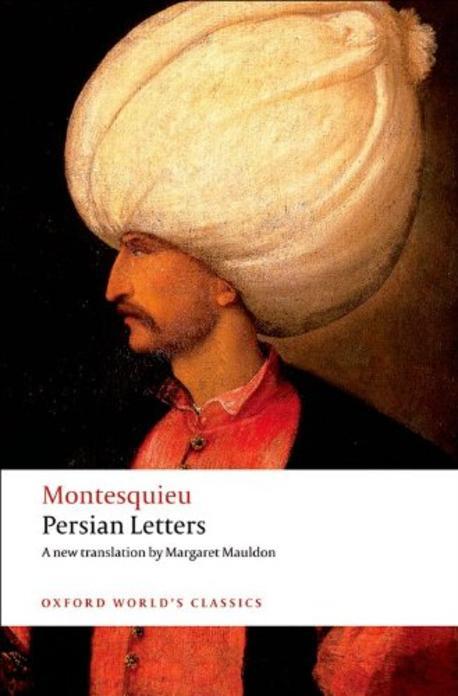
Two Persian travellers arrive in Paris and report on the European society of the Enlightenment in their letters home. With biting satire they compare East and West, while unsettling news from the harem provides a suspenseful plot of jealousy and passion. Andrew Kahnis University Lecturer in Russian at Oxford University. Margaret Mauldonis the distinguished translator of Flaubert'sMadame Bovary, Diderot'sRameau's Nephew, and other works. Margaret Mauldon is a Freelance translator. "Two Persian travellers, Usbek and Rica, arrive in Paris just before the death of Louis XIV and in time to witness the hedonism and financial crash of the Regency. In their letters home they report on visits to the theatre and scientific societies, and observe the manners and flirtations of polite society, the structures of power and the hypocrisy of religion. Irony and bitter satire mark their comparison of East and West and their quest for understanding. Unsettling news from Persia concerning the female world of the harem intrudes on their new identities and provides a suspenseful plot of erotic jealousy and passion." "This novel and work of travel-writing opened the world of the West to its oriental visitors and the Orient to its Western readers. This is the first English translation based on the original text, revealing this lively work as Montesquieu first intended."--BOOK JACKET. Persian Letters is a classic of European literature by Baron de Montesquieu, the brilliant thinker who had a huge influence on the Enlightenment. Through the astute observations of his two fictional Persian travelers in Europe--Usbek and Rica--Montesquieu asks fundamental questions about human nature, the manners and flirtations of polite society, the structures of power, and the hypocrisy of religion-all in a witty, inventive satire that combines travel literature and the epistolary genre. Indeed, this pioneering epistolary novel appeared almost twenty years before Richardson's Pamela. This is the first English translation based on the new, definitive edition of the original French text, revealing this lively work as Montesquieu first intended. The book features an engaging and comprehensive introductory essay, covering a wide range of topics, including the novel's fictional techniques and innovations; travel literature as a genre; historical context and Enlightenment ideas; Orientalism; and other issues. The editor has included full explanatory notes, a useful list of characters, and an invaluable appendix featuring excerpts from Montesquieu's most important sources. 'Oh! Monsieur is Persian? That's most extraordinary! How can someone be Persian?'Two Persian travellers, Usbek and Rica, arrive in Paris just before the death of Louis XIV and in time to witness the hedonism and financial crash of the Regency. In their letters home they report on visits to the theatre and scientific societies, and observe the manners and flirtations of politesociety, the structures of power and the hypocrisy of religion. Irony and bitter satire mark their comparison of East and West and their quest for understanding. Unsettling news from Persia concerning the female world of the harem intrudes on their new identities and provides a suspenseful plot oferotic jealousy and passion.This pioneering epistolary novel and work of travel-writing opened the world of the West to its oriental visitors and the Orient to its Western readers. This is the first English translation based on the original text, revealing this lively work as Montesquieu first intended. Persian Lettersis a classic of European literature by Baron de Montesquieu, the brilliant thinker who had a huge influence on the Enlightenment. Through the astute observations of his two fictional Persian travelers in Europe--Usbek and Rica--Montesquieu asks fundamental questions about human nature, the manners and flirtations of polite society, the structures of power, and the hypocrisy of religion-all in a witty, inventive satire that combines travel literature and the epistolary genre. Indeed, this pioneering epistolary novel appeared almost twenty years before Richardson'sPamela. This is the first English translation based on the new, definitive edition of the original French text, revealing this lively work as Montesquieu first intended. The book features an engaging and comprehensive introductory essay, covering a wide range of topics, including the novel's fictional techniques and innovations; travel literature as a genre; historical context and Enlightenment ideas; Orientalism; and other issues. The editor has included full explanatory notes, a useful list of characters, and an invaluable appendix featuring excerpts from Montesquieu's most important sources. Two Persian travellers arrive in Paris and report on the European society of the Enlightenment in their letters home. with biting satire they compare East and West, while unsettling news from the harem provides a suspenseful plot of jealousy and passion. This is the first English translation based on the original text.