



소개
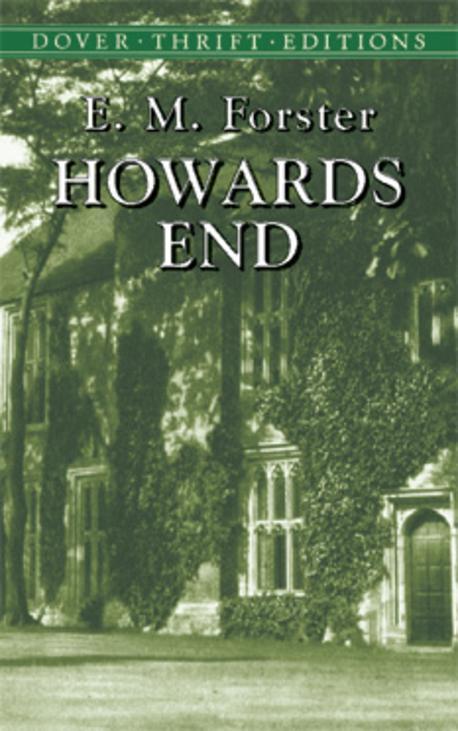
(Book Jacket Status: Not Jacketed) Introduction by Alfred Kazan First published in 1910, Howards End is the novel that earned E. M. Forster recognition as a major writer. At its heart lie two families--the wealthy and business-minded Wilcoxes and the cultured and idealistic Schlegels. When the beautiful and independent Helen Schlegel begins an impetuous affair with the ardent Paul Wilcox, a series of events is sparked--some very funny, some very tragic--that results in a dispute over who will inherit Howards End, the Wilcoxes' charming country home. As much about the clash between individual wills as the clash between the sexes and the classes, Howards End is a novel whose central tenet, "Only connect," remains a powerful prescription for modern life. "From the Trade Paperback edition." The disregard of a dying woman's bequest, a girl's attempt to help an impoverished clerk, and the marriage of an idealist and a materialist - all intersect at an estate called Howards End. The fate of this country home symbolizes the future of England in an exploration of social, economic, and philosophical trends during the post-Victorian era. The disregard of a dying woman's bequest, a girl's attempt to help an impoverished clerk, and the marriage of an idealist and a materialist all intersect at an estate called Howards End. The fate of this country home symbolizes the future of England in an exploration of social, economic, and philosophical trends during the post-Victorian era. The disregard of a dying woman's bequest, a girl's attempt to help an impoverished clerk, and the marriage of an idealist and a materialist -- all intersect at an estate called Howards End. The fate of this country home symbolizes the future of England in an exploration of social, economic, and philosophical trends during the post-Victorian era. The disregard of a dying woman's bequest, a girl's attempt to help an impoverished clerk, and the marriage of an idealist and a materialist all intersect at an estate called Howards End. The fate of this country home symbolizes the future of England in an exploration of social, economic, and philosophical trends during the post-Victorian era. The self-interested disregard of a dying woman's bequest, an impulsive girl's attempt to help an impoverished clerk, and the marriage between an idealist and a materialist--all intersect at a Hertfordshire estate called Howards End. The fate of this beloved country home symbolizes the future of England itself in E. M. Forster's exploration of social, economic, and philosophical trends, as exemplified by three families: the Schlegels, symbolizing the idealistic and intellectual aspect of the upper classes; the Wilcoxes, representing upper-class pragmatism and materialism; and the Basts, embodying the aspirations of the lower classes. Written in 1910, Howards End won international acclaim for its insightful portrait of English life during the post-Victorian era. What makes this masterpiece a pure delight for contemporary readers is its vibrant portrait of life in Edwardian England, and the wonderful characters who inhabit the charming old country house in Hertfordshire called Howards End. This cozy house becomes the object of an inheritance dispute between the upright conservative Wilcox family and the Schlegel sisters, Margaret and Helen, sensitive and intuitive women loved by men willing to leap wide social barriers to fulfill their ardor. Through romantic entanglements, disappearing wills, and sudden tragedy, the conflict over the house emerges as a symbolic struggle for England's future. Rich with the tradition, spirit, and wit distinctively English, Howards End is a remarkable novel of rare insight and understanding. As in his celebrated A Passage to India, E. M. Forster brings to vivid life a country and an era through the destinies of his unforgettable characters. The disregard of a dying woman's bequest, a girl's attempt to help an impoverished clerk, and the marriage of an idealist and a materialist -- all intersect at an estate called Howards End. The self-interested disregard of a dying woman's bequest, an impulsive girl's attempt to help an impoverished clerk, and the marriage between an idealist and a materialist--all intersect at a Hertfordshire estate called Howards End. The fate of this beloved country home symbolizes the future of England itself in E. M. Forster's exploration of social, economic, and philosophical trends, as exemplified by three families: the Schlegels, symbolizing the idealistic and intellectual aspect of the upper classes; the Wilcoxes, representing upper-class pragmatism and materialism; and the Basts, embodying the aspirations of the lower classes. Written in 1910, Howards End won international acclaim for its insightful portrait of English life during the post-Victorian era. The self-interested disregard of a dying woman's bequest, an impulsive girl's attempt to help an impoverished clerk, and the marriage between an idealist and a materialist--all intersect at a Hertfordshire estate called Howards End. The fate of this beloved country home symbolizes the future of England itself in E. M. Forster's exploration of social, economic, and philosophical trends, as exemplified by three families: the Schlegels, symbolizing the idealistic and intellectual aspect of the upper classes; the Wilcoxes, representing upper-class pragmatism and materialism; and the Basts, embodying the aspirations of the lower classes. Written in 1910, "Howards End won international acclaim for its insightful portrait of English life during the post-Victorian era.