



소개
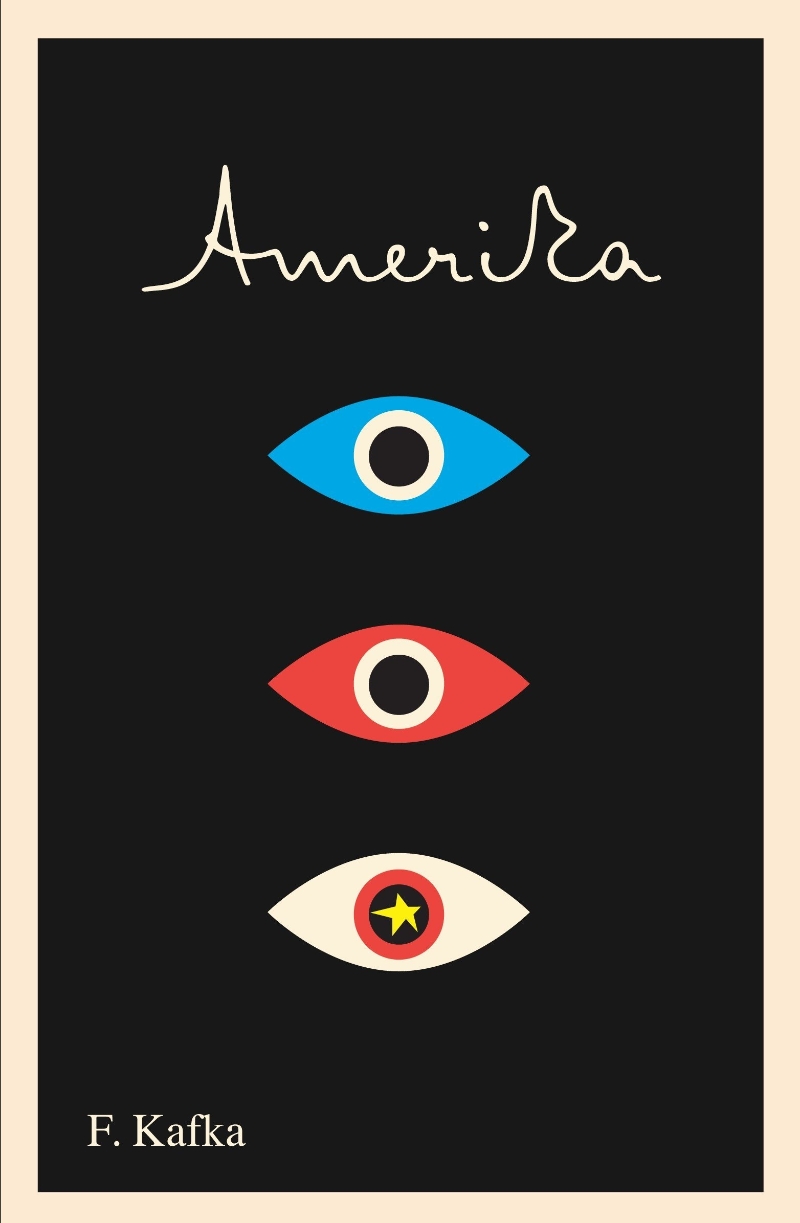
Franz Kafkawas born in 1883 in Prague, where he lived most of his life. During his lifetime, he published only a few short stories, including "The Metamorphosis," "The Judgment," and "The Stoker." He died in 1924, before completing any of his full-length novels. At the end of his life, Kafka asked his lifelong friend and literary executor Max Brod to burn all his unpublished work. Brod overrode those wishes. Mark Harman,a native of Dublin who has written extensively about modern German and Irish literature, is a professor of German and English at Elizabeth College in Elizabeth, Pennsylvania. His translation of The Castlereceived the Modern Language Association's first Lois Roth Award in 1998. Franz Kafka's diaries and letters suggest that his fascination with America grew out of a desire to break away from his native Prague, even if only in his imagination. Kafka died before he could finish what he like to call his "American novel,: but he clearly entitled it Der Verschollene ("The Missing Person") in a letter to his fiancee, Felice Bauer, in 1912. Kafka began writing the novel that fall and wrote until the last completed chapter in 1914, but in wasn't until 1927, three years after his death, that Amerika--the title that Kafka's friend and literary executor Max Brod gave his edited version of the unfinished manuscript--was published in Germany by Kurt Wolff Verlag. An English translation by Willa and Edwin Muir was published in Great Britain in 1932 and in the United States in 1946. Over the last thirty years, an international team of Kafka scholars has been working on German-language critical editions of all of Kafka's writings, going back to the original manuscripts and notes, correcting transcription errors, and removing Brod's editorial and stylistic interventions to create texts that are as close as possible to the way the author left them. With the same expert balance of precision and nuance that marked his award-winning translation of The Castle, Mark Harman now restores the humor ad particularity of language in his translation of the critical edition of Der Verschollene. Here is the story of young Karl Rossman, who, following an incident involving a housemaid, is banished by his parents to America. With unquenchable optimism and in the company of two comic-sinister companions, he throws himself into misadventure, eventually heading towards Oklahoma, where a career in the theater beckons. Though we can never know how Kafka planned to end the novel, Harman's superb translation allows us to appreciate, as closely as possible, what Kafka did commit to the page. Kafka began writing what he had entitled Der Verschollene( The Missing Person) in 1912 and wrote the last completed chapter in 1914. But it wasn't until 1927, three years after his death, that Max Brod, Kafka's friend and literary executor, edited the unfinished manuscript and published it as Amerika. Kafka's first and funniest novel, Amerikatells the story of the young Karl Rossmann who, after an incident involving a housemaid, is banished by his parents to America. Expected to redeem himself in this magical land of opportunity, young Karl is swept up instead in a whirlwind of dizzying reversals, strange escapades, and picaresque adventures. Kafka began writing what he had entitled Der Verschollene( The Missing Person) in 1912 and wrote the last completed chapter in 1914. But it wasn?? until 1927, three years after his death, that Max Brod, Kafka?? friend and literary executor, edited the unfinished manuscript and published it as Amerika. Kafka?? first and funniest novel, Amerikatells the story of the young Karl Rossmann who, after an incident involving a housemaid, is banished by his parents to America. Expected to redeem himself in this magical land of opportunity, young Karl is swept up instead in a whirlwind of dizzying reversals, strange escapades, and picaresque adventures. Praise for Mark Harman's translation of The Castle "Semantically accurate to an admirable degree, faithful to Kafka's nuances, responsive to the tempo of his sentences and to the larger music of his paragraph construction. For the general reader or for the student, it will be the translation of preference for some time to come." --J. M. Coetzee, The New York Review of Books "There is a great deal to applaud in Harman's translation. It gives us a much better sense of Kafka's uncompromising and disturbing originality as a prose master than we have heretofore had in English." --Robert Alter, The New Republic "A major and long-awaited event in English language publishing [and] a wonderful piece of news for all Kafka readers, who, for more than half a century, have had to rely on flawed, superannuated editions. Harman is to be commended for his success in capturing the fresh, fluid, almost breathless style of Kafka's original manuscript." --Professor Mark M. Anderson, Department of Germanic Languages, Columbia University "We are not too far wrong to see in Karl Rossmann the explorer who maps the internal territory for the later Kafka hero Joseph K. of The Trial. It is a natural segue, after all, from the youth who lives to placate to the adult with the inescapable sense of guilt. In fact, we could propose Kafka as an artist in a lifelong search of the most accommodating conceit for his vision. Karl is the earliest of his eponymous heroes, all of them essentially one tormented soul whose hallucinatory landscape keeps changing." -E. L. Doctorow "More than eighty years after his death from tuberculosis at age forty, Kafka continues to defy simplifications, to force us to consider him anew. That's the effect of Mark Harman's new translation of Amerika." - Los Angeles Times ??e are not too far wrong to see in Karl Rossmann the explorer who maps the internal territory for the later Kafka hero Joseph K. of The Trial. It is a natural segue, after all, from the youth who lives to placate to the adult with the inescapable sense of guilt. In fact, we could propose Kafka as an artist in a lifelong search of the most accommodating conceit for his vision. Karl is the earliest of his eponymous heroes, all of them essentially one tormented soul whose hallucinatory landscape keeps changing.??-E. L. Doctorow ??ore than eighty years after his death from tuberculosis at age forty, Kafka continues to defy simplifications, to force us to consider him anew. That?? the effect of Mark Harman?? new translation of Amerika.??- Los Angeles Times