



소개
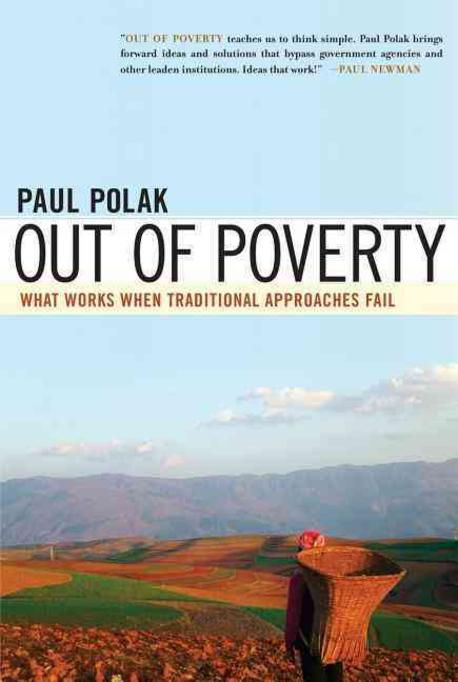
The primary purpose of the book is to tell the riveting, at times humorous, and often inspiring story of poor people as they struggle to create new wealth, aided in their efforts by the unique development organisation founded by the author. PAUL POLAK (Lakewood, Colorado) fled Czechoslovakia on the eve of the Holocaust and eventually settled in Canada. He received his MD from the University of Western Ontario in London, Ontario. In 1981 he founded IDE, which makes innovative, low-cost water-resource technologies accessible to the world's poorest farmers, enabling them to escape the cycle of subsistence poverty. Paul Polak is the founder of International Development Enterprises and currently heads D-Rev: Design for the Other 90%, which helps multinationals profitably develop affordable products to help the world's poor. Based on his 25 years of experience, Polak explodes what he calls the "Three Great Poverty Eradication Myths": that we can donate people out of poverty, that national economic growth will end poverty, and that Big Business, operating as it does now, will end poverty. Polak shows that programs based on these ideas have utterly failed--in fact, in sub-Saharan Africa poverty rates have actually gone up. These failed top-down efforts contrast sharply with the grassroots approach Polak and IDE have championed: helping the dollar-a-day poor earn more money through their own efforts. Amazingly enough, unexploited market opportunities do exist for the desperately poor. Polak describes how he and others have identified these opportunities and have developed innovative, low-cost tools that have helped in lifting 17 million people out of poverty. Based on his 25 years of experience, Polak explodes what he calls the "Three Great Poverty Eradication Myths": that we can donate people out of poverty, that national economic growth will end poverty, and that Big Business, operating as it does now, will end poverty. Polak shows that programs based on these ideas have utterly failed--in fact, in sub-Saharan Africa poverty rates have actually gone up. These failed top-down efforts contrast sharply with the grassroots approach Polak and IDE have championed: helping the dollar-a-day poor earn more money through their own efforts. Amazingly enough, unexploited market opportunities do exist for the desperately poor. Polak describes how he and others have identified these opportunities and have developed innovative, low-cost tools that have helped in lifting 17 million people out of poverty. Out of Poverty teaches us to think simple. Paul Polak brings forward ideas and solutions that bypass government agencies and other leaden institutions. Ideas that work!" (Paul Newman)Paul Polak, whose non-profit organization International Development Enterprises (IDE) has helped over 17 million people get out of poverty permanently, exposes the top three myths in our efforts to end the root causes of poverty: You can donate people out of poverty, national economic growth will end poverty, and Big Business will end poverty. He then, through the story of a Nepali farmer, puts forth a framework for ending poverty that has already been proven to work. The primary purpose of this book is to tell the riveting, at times humorous, and often inspiring story of poor people as they struggle to create new wealth, aided in their efforts by the unique development organisation founded by the author. OUT OF POVERTY is designed to inspire a revolution in development thinking and practice. Instead of being handed down from the ivory tower or air-conditioned offices, development efforts must have their roots in the village experience if they are to bring about the end of poverty. Some key strategies toward ending poverty discussed in the book are, making money through grass roots enterprises, developing wealth through growing market-centred high value labour-intensive cash crops, access to affordable irrigation, the creation of vibrant new markets to bring seeds and fertilisers, and markets where farmers can sell what they produce at a profit. "A wise and engaging new book" -- uncredited "The Economist, print edition, February 21, 2008" "Out of Poverty by Paul Polak, offers optimism. Optimism not just for those fighting poverty and those fighting to get out of it, but for any company interested in a basically untapped 1 billion-person market." -- Jessie Scanlon "February 22, 2008; BusinessWeek" "Out of Poverty by Paul Polak, offers optimism. Optimism not just for those fighting poverty and those fighting to get out of it, but for any company interested in a basically untapped 1 billion-person market." -- Jessie Scanlon "February 22, 2008; BusinessWeek" Futurists agree that poverty eradication is critical to the survival of the planet. Polak exposes the top three things people are doing wrong in their efforts to end the root causes of poverty and what they can do to make a positive impact. Futurists agree that poverty eradication is critical to the survival of the planet. Polak exposes the top three things people are doing wrong in their efforts to end the root causes of poverty and what they can do to make a positive impact.