



소개
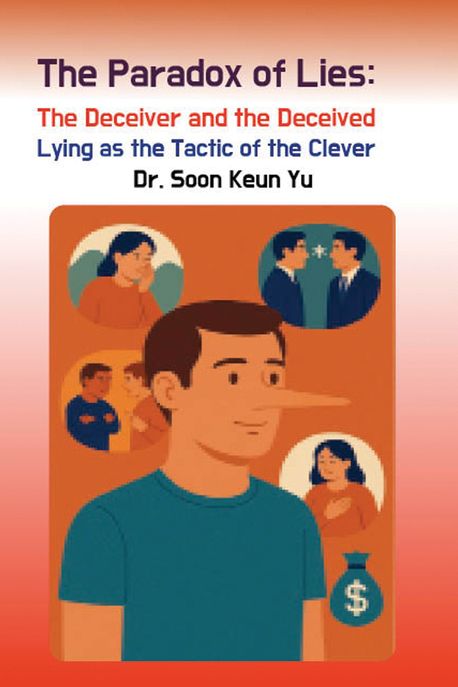
Lying is not merely the act of concealing or distorting facts. It is a complex and strategic behavior that arises at the intersection of human emotions, desires, fears, social structures, morality, cognitive ability, and survival instincts. People lie to avoid conflict, protect their reputation, shield others, or elevate themselves. Sociologist Erving Goffman described lying not as a moral failing, but as a social skill. The very existence of the phrase “a white lie” reflects how flexible moral judgment around deception can be. In this light, lying is far too common—and at times too necessary—to be dismissed simply as a vice. Sometimes, lying is not only seen as a clever tactic for the shrewd, but also as a contagious social phenomenon. Yet, this does not mean lying should be justified. Lies inevitably damage trust, fracture relationships, and threaten the ethical foundations of any community. Still, lying is deeply rooted in human nature—and it becomes more pervasive in times of uncertainty or crisis. Lying is not merely a tool of the cunning but also a deceitful act of the morally corrupt. The Paradox of Lying: The Deceiver and the Deceived is a comprehensive examination of deception strategies and the methods used to detect them. Part I begins by asking a fundamental question: Why do humans lie? By analyzing the psychological motivations, social causes, and factors contributing to both successful and failed lies, this section dissects the mechanisms underlying deception. Part II shifts focus to lie detection. Why do people lie, and how are they caught? Using Paul Ekman’s theory of emotion, the Pinocchio effect, and key emotional elements of deception—fear, guilt, shame, and pleasure—this section explores how lies generate emotional tension that leaves behind physical and verbal traces. Because deception carries the inherent risk of exposure, it inevitably produces physiological, emotional, and behavioral indicators.