


소개
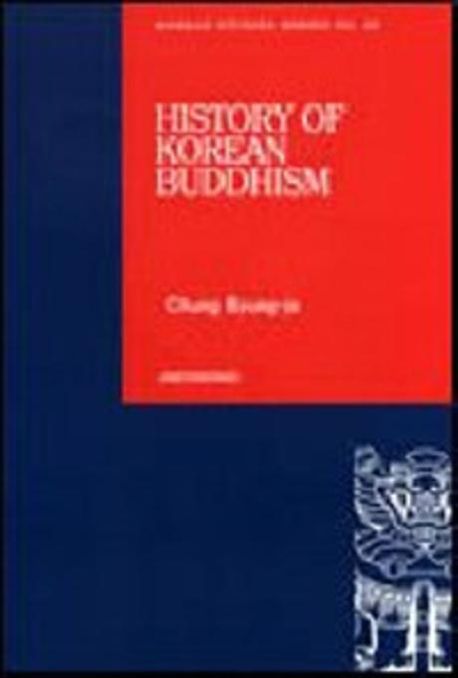
한국불교의 역사를 사상적인 관점에서 정리한 저술. 한국불교는 중국의 불교를 수입하였으나 독자적인 토착화 과정을 거쳐 대승불교를 재해석했다. 그 사상적 특성은 선교(禪敎)융합의 기풍, 다양한 종파적 특성의 단순화, 산신숭배 등 민간신앙의 불교적 습합(習合)으로 요약할 수 있다. 신라불교는 삼국통일 이전까지는 토착화의 과정을 겪으며 통일 이후에는 국민과 왕실의 정신적 지주로서 그 사상성을 발휘한다. 고려불교는 지나친 형식주의, 의식주의의 면모를 보이지만, 대체로 호법·호국적 특성을 지니면서 유지·발전해 간다. 억불로 일관한 조선시대 불교는 운명론적 종교성을 강조하면서 그 명맥을 이어간다. 전체적으로 보면 화엄학과 남종선을 중시하는 경향이 강하고 민간신앙으로서는 관음신앙이 주류를 이룬다. 불교의 사회적 역할에 대한 관심증대, 불교적 수행의식의 재해석, 그리고 현대의 정신적 방황에 대한 불교적 대응 등이 보다 심도 있게 진행될 때 한국불교의 미래는 매우 희망적이라고 말할 수 있다. It contains a viewpoint of thoughts on the history of Korean Buddhism. Korean Buddhism, had accepted Chinese Buddhism, made it become naturalized, and reinterpreted Mahayana Buddhism. Korean Buddhism has its characteristic of thoughts as follows: fusion of Seon and doctrine, simplification of features of various sects, and compromise between Buddhism and the folk belief such as the belief of mountain gods. Silla Buddhism goes through the process of naturalization before the Three Kingdoms are unified, and it shows its richness in ideas as the emotional prop of royal family and people in general. Goryeo Buddhism develops while keeping its defensive characteristic of both the country and the Buddhist teachings, though it shows aspects of formalism and ritualism excessively. Joseon Buddhism under Confucianists' suppressions barely keeps oneself in existence with stressing fatalistic feature of Buddhism. In a word, Korean Buddhism values much of Huayen Buddhism and Southern Zen of Chinese Buddhism, and the Avalokiteshvara Belief occupies an important position of its folk beliefs. I can say the future of Korean Buddhism is very hopeful in case of making good progress of such the practical buddhism as increasing interests in Buddhist social roles, reinterpreting Buddhist rituals, and coping with people's spiritual wanderings in present times.